Revolutionizing Precision: The Rise of PCD Drills
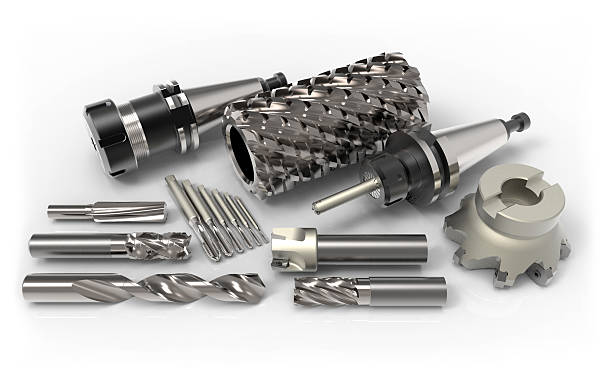
In the world of machining and manufacturing, the demand for tools that provide exceptional precision and durability has never been higher. One such innovation transforming drilling applications is the introduction of Polycrystalline Diamond (PCD) drills. Renowned for their hardness and wear resistance, PCD drills have become indispensable across various industries, from aerospace to automotive manufacturing.
As technology advances, these tools continue to push the boundaries of performance and efficiency, enabling manufacturers to maintain tighter tolerances and improve productivity.
The Science and Structure Behind PCD Drills
PCD drills are engineered using polycrystalline diamond, a synthetic abrasive material known for its exceptional hardness, second only to natural diamonds. This material is created by sintering together numerous diamond particles under high pressure and temperature, resulting in a robust, wear-resistant surface. The diamond layer is then bonded to a carbide substrate, providing strength and shock resistance.
This unique construction enables PCD drills to withstand extreme cutting forces and temperatures. Their superior wear resistance reduces tool degradation, allowing for longer service life compared to conventional drills. Such attributes make pcd drills ideal for drilling non-ferrous and abrasive materials, including aluminum composites, carbon fiber, and certain types of plastics.
Applications Driving PCD Drill Popularity
One of the most significant drivers of PCD drill adoption is their exceptional performance in industries that require machining of abrasive or composite materials. Aerospace manufacturers rely heavily on these tools to handle carbon fiber-reinforced polymers that would rapidly wear down traditional drills. The automotive sector also utilizes PCD drills in mass production of lightweight components, where maintaining precision is crucial for vehicle performance and safety.
In electronics and semiconductor manufacturing, the ability to create micro-holes with high accuracy and minimal wear is critical. PCD drills fulfill these demands by producing clean cuts without burrs or deformations, improving component reliability. Furthermore, the cutting efficiency of PCD tools reduces cycle times, which translates into lower production costs and higher throughput.
Economic and Environmental Benefits of PCD Technology
Beyond technical performance, PCD drills offer compelling economic advantages. Their extended lifespan reduces the frequency of tool replacements, saving manufacturers significant expenses over time. Additionally, the lower power consumption required for drilling with PCD tools contributes to overall energy savings. Such efficiencies align well with sustainable manufacturing goals, making PCD drills increasingly attractive to companies mindful of their environmental footprint.
Moreover, the precision of PCD drills minimizes material waste by reducing the number of defective parts and rework. This further enhances cost-effectiveness and supports lean manufacturing initiatives. As industries face growing pressure to optimize resource use, PCD technology provides a tangible solution that balances performance with sustainability.
Innovations and Future Outlook in PCD Drilling
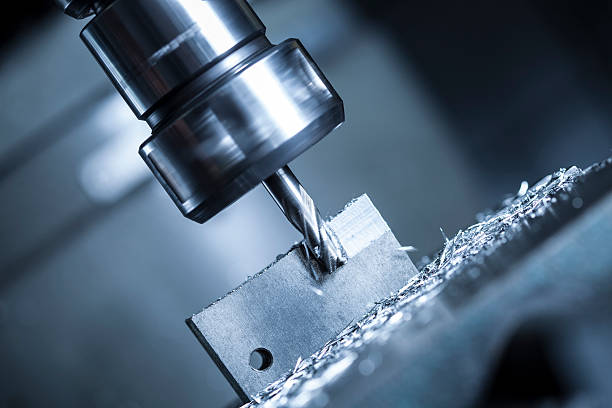
The evolution of PCD drill manufacturing continues to advance through cutting-edge technologies. Improvements in bonding techniques and diamond grain structure contribute to even greater toughness and edge retention. Researchers are exploring hybrid tool designs that combine PCD layers with other materials to optimize performance for specific applications.
Automation and digital manufacturing practices also enhance the production of PCD tools by enabling tighter quality control and customizable geometries. As industries incorporate Industry 4.0 principles, PCD drills are poised to become integral components of smart manufacturing ecosystems.
The knowledge of how these tools are made and engineered is essential for professionals seeking to leverage their benefits effectively. Understanding the intricate processes behind their creation helps in selecting the right tool for each application, ensuring maximum return on investment and operational efficiency.
Lasting Impact on Modern Manufacturing
PCD drills have etched their place as transformative tools in modern manufacturing. Their unmatched hardness, durability, and precision open new opportunities across various sectors. For companies aiming to stay competitive, adopting PCD drilling technology can lead to significant improvements in product quality and process efficiency.
As the demand for complex materials grows and manufacturing challenges become more nuanced, PCD drills will remain at the forefront of innovation. They exemplify how material science advancements continue to drive industrial progress in the 21st century.


Comentarios
Publicar un comentario